The 10 Most Essential Finance Books of All Time
Clear, independent recommendations for readers who want a deeper understanding of markets, investing, and financial decision-making.
Across decades of market cycles, only a handful of books have truly shaped the way people think about risk, value, psychology, and the forces that move the world’s economies.
This curated selection brings together the most influential works in finance and trading — chosen for their clarity, insight, and enduring relevance.
The 10 Most Essential Finance Books of All Time
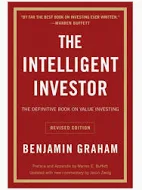
The Intelligent Investor
1945
Benjamin Graham
Score: 9/10
Why it’s good:
This book teaches the basics of smart, careful investing. Graham explains ideas like buying stocks for less than they’re worth and avoiding big risks. These principles influenced famous investors like Warren Buffett. It’s one of the best introductions to slow, steady, long-term investing.
Limitations:
This book is old — it was written in 1949, long before modern computers, fast trading, or today’s global markets. Some parts feel heavy and academic, and many of the examples don’t match how the market works now.
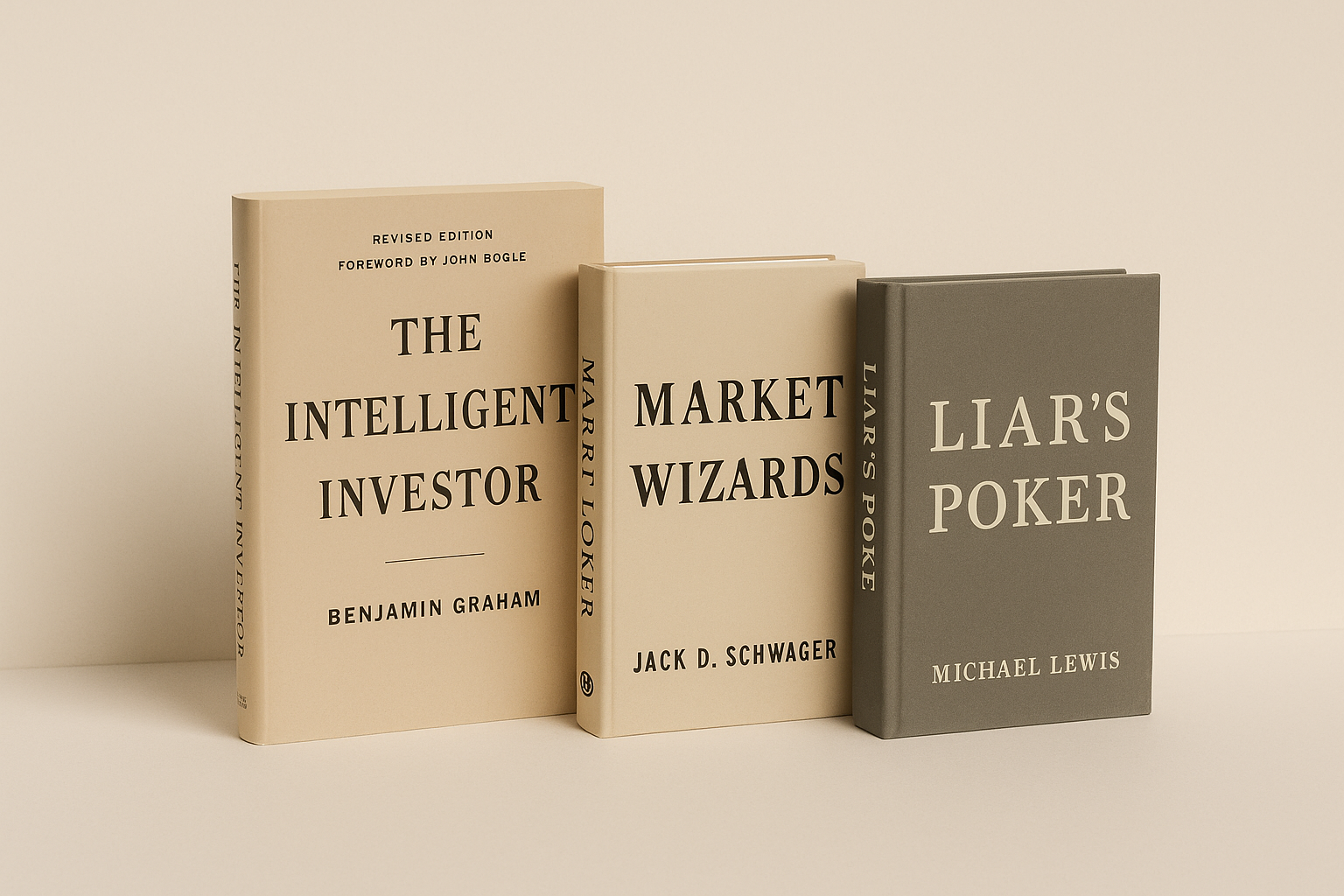
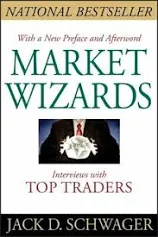
Market Wizards
1989
Jack D. Schwager
Score: 9.2/10
Why it’s good:
This book gives a rare look into how top traders think. Through honest interviews, Schwager shows the habits, discipline, and mindset that make great traders different from average ones. It’s full of lessons that still matter today.
Limitations:
Most interviews are from the 1970s to the 1990s, before modern computers, fast trading, or today’s global markets. The book doesn’t follow one story, so it can feel a bit broken up or scattered for some readers.
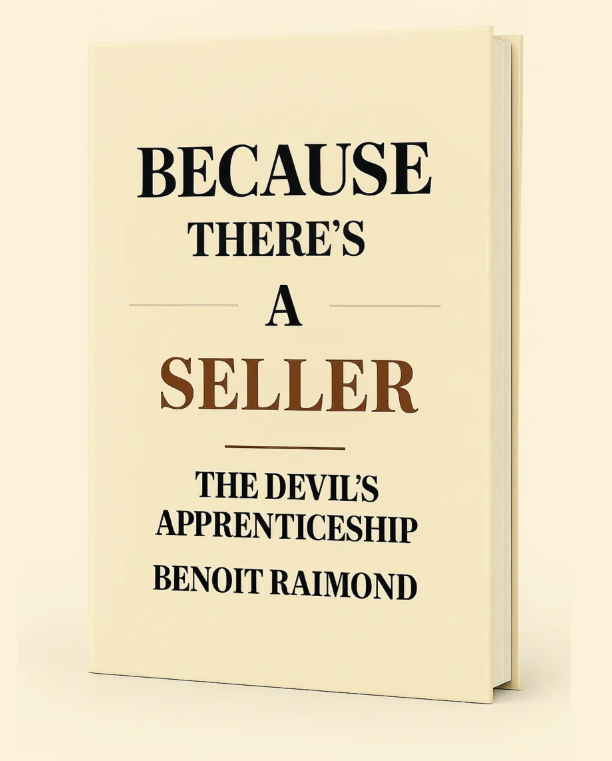
Because There’s a Seller - The Devil's Apprenticeship
2025
Benoit Raimond
Score: 9.5/10
Why it’s good:
A literary thriller that drags you through the brutal evolution of a modern trader. From the high-frequency chaos of proprietary trading firms to the rarefied air of a fund of hedge funds, it exposes the psychological fractures that form under extreme ambition. But the final test comes when the game turns inward, and the only capital at risk is your own. This is not a story about the market; it’s a story about what the market does to a man.
Limitations
This is not a detached analysis of the market. It is a raw, unfiltered dive into the psychological pressures and emotional fractures of a life lived on the edge. The narrative is intense, and the honesty can be uncomfortable. Reader discretion is advised.
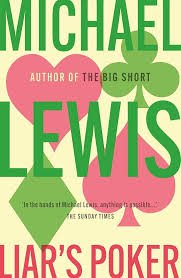
Liar’s Poker
1989
Michael Lewis
Score: 8.5/10
Why it’s good:
A sharp, entertaining narrative about Wall Street culture in the 1980s. Lewis reveals the ego, excess, and absurdity inside Salomon Brothers, offering a vivid portrait of how financial institutions operated during a transformative era.
Limitations:
The world it describes no longer exists — pre-digital markets, pre-HFT, pre-automation. More a cultural memoir than a book about investing or trading strategy.
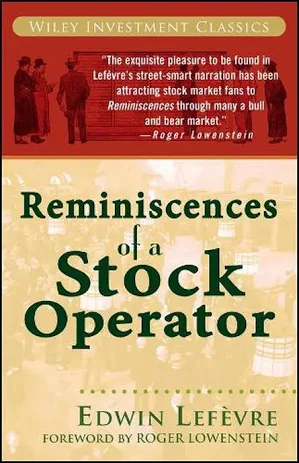
Reminiscences of a Stock Operator
1923
Edwin Lefèvre
Score: 8/10
Why it’s good:
A legendary narrative following a speculator’s rise, fall, and hard-earned wisdom. Its lessons on crowd behavior, fear, greed, and emotional discipline remain relevant a century later.
Limitations:
Written in 1923 — entirely pre-electronic markets. The mechanics, tools, and trading environment are outdated. Best read as historical psychology, not a guide to modern markets.
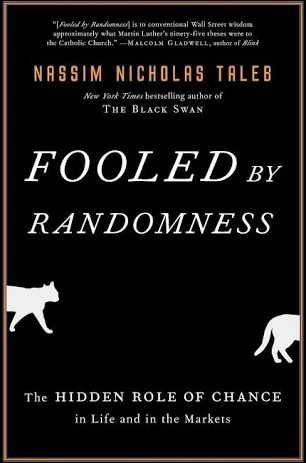
Fooled by Randomness
2001
Nassim Nicholas Taleb
Score: 9/10
Why it’s good:
A profound exploration of probability, randomness, and human blind spots. Taleb dismantles the illusion of skill and exposes how luck, noise, and survivorship bias shape financial outcomes. Essential for understanding risk.
Limitations:
Dense, philosophical, and sometimes abstract. Taleb’s tone can be polarizing, and the book offers mindset more than practical technique.
The Big Short
2010
Michael Lewis
Score: 9/10
Why it’s good:
A gripping narrative of the 2008 financial crisis and the few who saw it coming. Lewis turns complex financial instruments into a compelling human story, revealing systemic failure and the psychology behind bubbles.
Limitations:
Crisis-specific. It explains an era rather than providing general market principles. More journalistic than instructional.
The Bonfire of the Vanities
1987
Tom Wolfe
Score: 8.5/10
Why it’s good:
A brilliant satirical novel about ambition, ego, status, and downfall in the world of finance. Wolfe captures the psychological fragility behind wealth and reputation, delivering sharp social commentary with literary force.
Limitations:
A fictionalized, 1980s New York setting far removed from today’s markets, technology, and trading pressures. More cultural than financial.
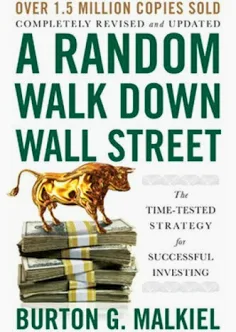
A Random Walk Down Wall Street
1973
Burton G. Malkiel
Score: 8/10
Why it’s good:
A cornerstone explanation of efficient markets, indexing, and long-term investing. Clear, structured, and educational, it remains a foundational introduction to modern portfolio theory.
Limitations:
Dry and academic for many readers. Focuses on long-term investing, offering little insight for traders, quants, or anyone dealing with high-speed or narrative-driven markets.
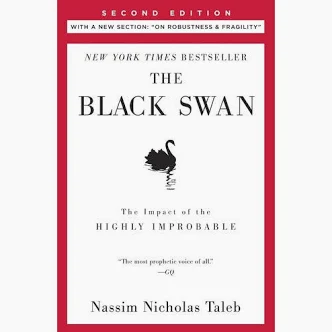
The Black Swan
2007
Nassim Nicholas Taleb
Score: 9/10
Why it’s good:
A groundbreaking exploration of extreme events and why humans consistently fail to predict them. Taleb presents a powerful framework for thinking about uncertainty, fragility, and rare risks.
Limitations:
Philosophical and demanding. Less focused than his earlier work and not directly about trading or market strategy.
You'll also love
Lorem ipsum dolor sit amet, consectetur adipiscing elit. Ut elit tellus, luctus nec ullamcorper mattis, pulvinar dapibus leo.
Lines from poems
Victor Hansen
Lorem ipsum dolor sit amet, consectetur adipiscing elit. Ut elit tellus, luctus nec ullamcorper mattis leo…
Consider the visual
Victor Hansen
Lorem ipsum dolor sit amet, consectetur adipiscing elit. Ut elit tellus, luctus nec ullamcorper mattis leo…
Essence of the book
Victor Hansen
Lorem ipsum dolor sit amet, consectetur adipiscing elit. Ut elit tellus, luctus nec ullamcorper mattis leo…