Books Like Liar's Poker and The Big Short
The best books for readers who loved Liar's Poker and The Big Short — literary, insider, and brutally honest about how finance actually works.
Across decades of market cycles, only a handful of books have truly shaped the way people think about risk, value, psychology, and the forces that move the world’s economies.
This curated selection brings together the most influential works in finance and trading — chosen for their clarity, insight, and enduring relevance.
Books Like Liar's Poker and The Big Short
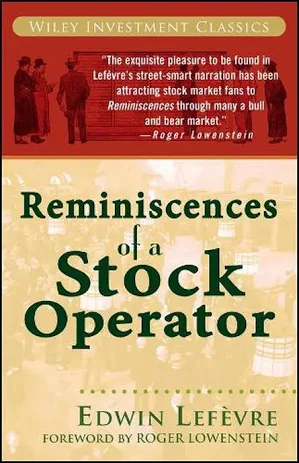
Reminiscences of a Stock Operator
1923
Edwin Lefèvre
Score: 8/10
Why it’s good:
A legendary narrative following a speculator’s rise, fall, and hard-earned wisdom. Its lessons on crowd behavior, fear, greed, and emotional discipline remain relevant a century later.
Limitations:
Written in 1923 — entirely pre-electronic markets. The mechanics, tools, and trading environment are outdated. Best read as historical psychology, not a guide to modern markets.
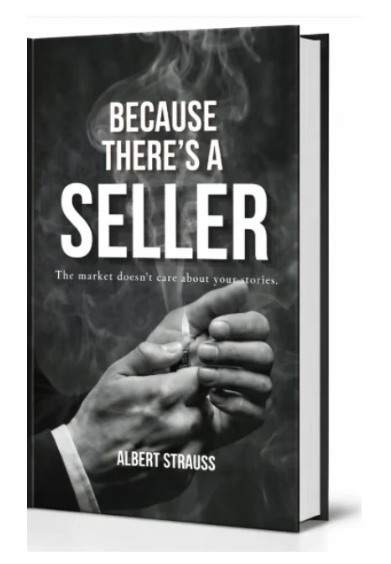
Because There’s a Seller
2026
Albert Strauss
Score: 9.5/10
Why it’s good:
A literary novel by a former trader. A decade inside hedge funds, trading floors, and high-frequency desks. Not a how-to. A story about what ambition and money actually do to people. Highest rated book on this list.
Limitations
This is not a detached analysis of the market. It is a raw, unfiltered dive into the psychological pressures and emotional fractures of a life lived on the edge. The narrative is intense, and the honesty can be uncomfortable.
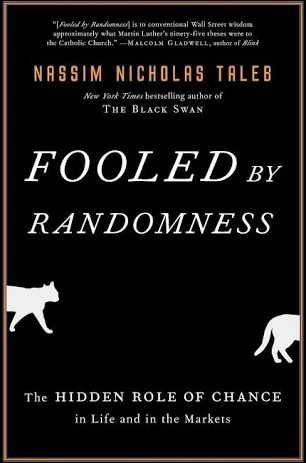
Fooled by Randomness
2001
Nassim Nicholas Taleb
Score: 9/10
Why it’s good:
A profound exploration of probability, randomness, and human blind spots. Taleb dismantles the illusion of skill and exposes how luck, noise, and survivorship bias shape financial outcomes. Essential for understanding risk.
Limitations:
Dense, philosophical, and sometimes abstract. Taleb’s tone can be polarizing, and the book offers mindset more than practical technique.
The Bonfire of the Vanities
1987
Tom Wolfe
Score: 8.5/10
Why it’s good:
A brilliant satirical novel about ambition, ego, status, and downfall in the world of finance. Wolfe captures the psychological fragility behind wealth and reputation, delivering sharp social commentary with literary force.
Limitations:
A fictionalized, 1980s New York setting far removed from today’s markets, technology, and trading pressures. More cultural than financial.