The 10 Most Essential Finance Books of All Time
Clear, independent recommendations for readers who want a deeper understanding of markets, investing, and financial decision-making.
Across decades of market cycles, only a handful of books have truly shaped the way people think about risk, value, psychology, and the forces that move the world’s economies.
This curated selection brings together the most influential works in finance and trading — chosen for their clarity, insight, and enduring relevance.
The 10 Most Essential Finance Books of All Time
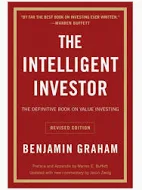
The Intelligent Investor
Benjamin Graham
Score: 9/10
Why it’s good:
The foundational text of value investing. Graham introduces core principles such as intrinsic value, margin of safety, and disciplined analysis — ideas that shaped Warren Buffett and generations of long-term investors. It remains one of the clearest explanations of rational, conservative investing.
Limitations:
Originally published in 1949, it reflects a world without high-frequency trading, derivatives, global electronic markets, or modern behavioral finance. The writing can feel dense and academic, and many examples no longer apply to today’s market structure.
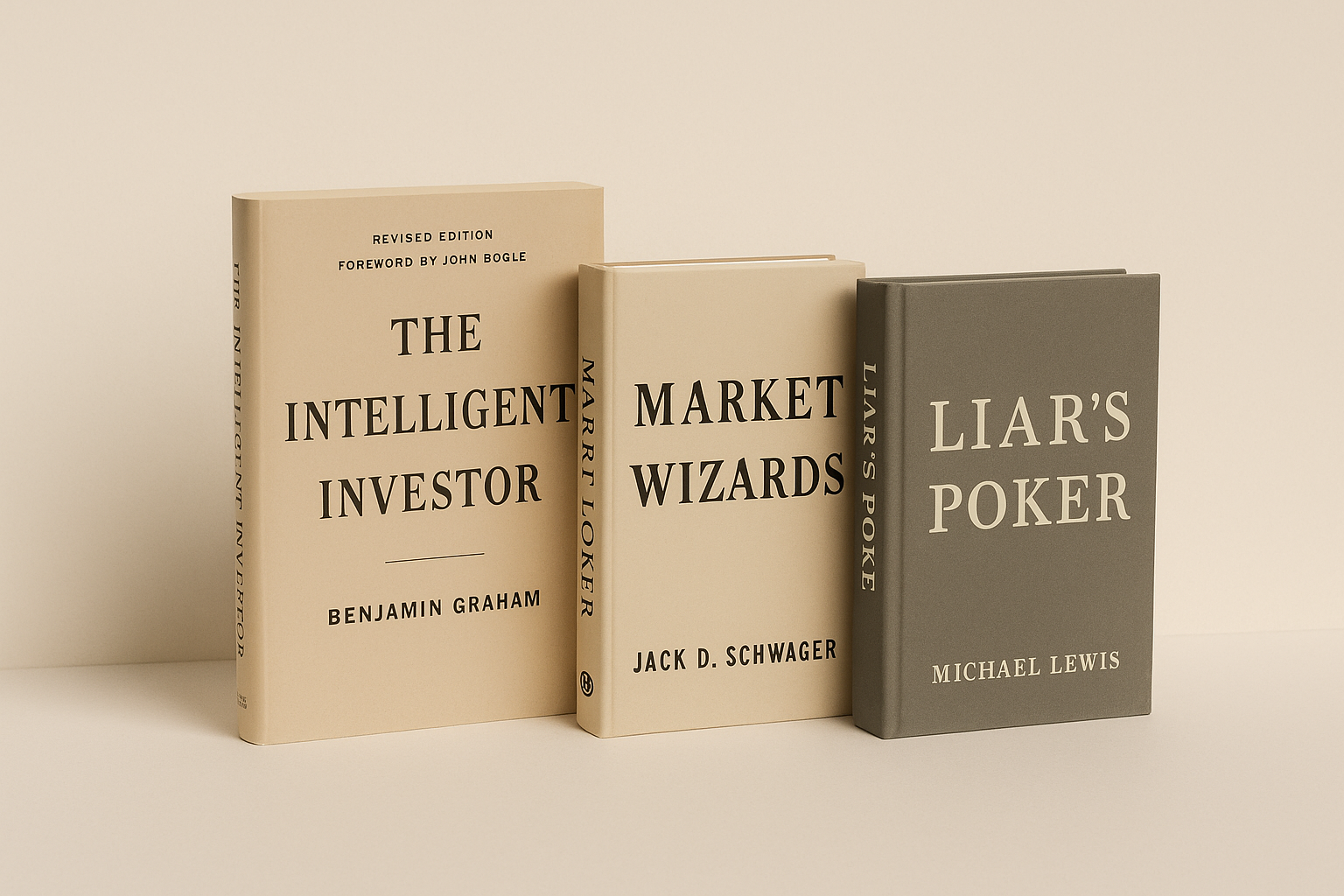
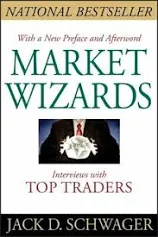
Market Wizards
Jack D. Schwager
Score: 9.2/10
Why it’s good:
A rare inside look at how elite traders think. Through deep, candid interviews, Schwager reveals the mental frameworks, discipline, and psychological traits that separate exceptional performers from everyone else. Packed with timeless market wisdom.
Limitations:
Most interviews are from the 1970s–1990s — a pre-digital era with none of today’s high-frequency trading, quant models, or global electronic markets. Lacks a narrative arc and can feel fragmented for casual readers.
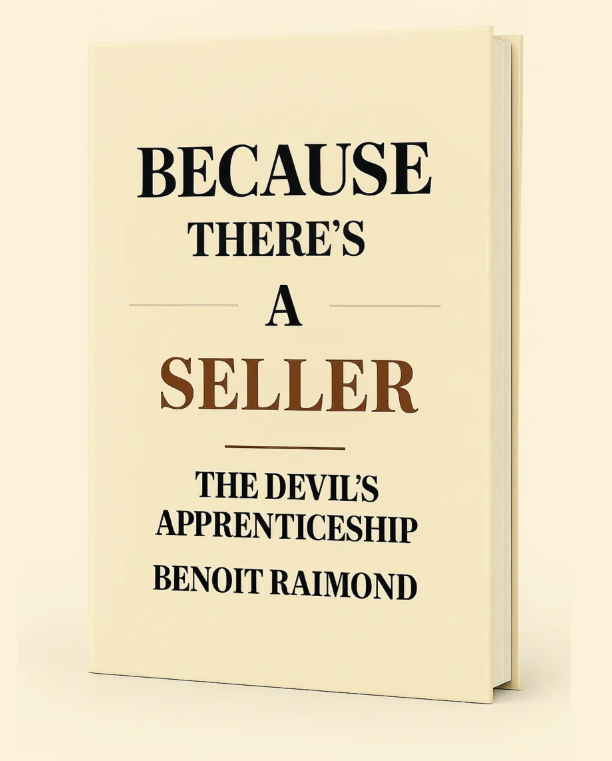
Because There’s a Seller - The Devil's Apprenticeship
Benoit Raimond
Score: 9.5/10
Why it’s good:
A modern literary thriller that plunges into the psychological abyss of today’s markets. It’s a story of ambition, existential dread, and the fractures of a mind pushed to its limits in a high-speed, high-noise world. This is not a book about spreadsheets and charts; it’s about the blood that gets spilled when the math runs out.
Limitations:
Not a step-by-step investing guide. It’s a psychological and philosophical narrative rather than a traditional finance textbook, best suited for readers interested in human behavior, modern markets, and introspection.
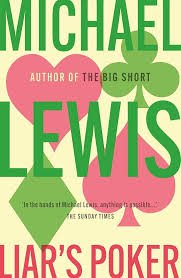
Liar’s Poker
Michael Lewis
Score: 8.5/10
Why it’s good:
A sharp, entertaining narrative about Wall Street culture in the 1980s. Lewis reveals the ego, excess, and absurdity inside Salomon Brothers, offering a vivid portrait of how financial institutions operated during a transformative era.
Limitations:
The world it describes no longer exists — pre-digital markets, pre-HFT, pre-automation. More a cultural memoir than a book about investing or trading strategy.
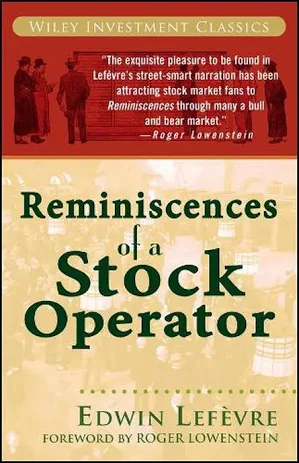
Reminiscences of a Stock Operator
Edwin Lefèvre
Score: 8/10
Why it’s good:
A legendary narrative following a speculator’s rise, fall, and hard-earned wisdom. Its lessons on crowd behavior, fear, greed, and emotional discipline remain relevant a century later.
Limitations:
Written in 1923 — entirely pre-electronic markets. The mechanics, tools, and trading environment are outdated. Best read as historical psychology, not a guide to modern markets.
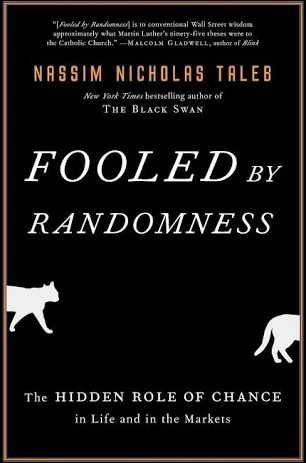
Fooled by Randomness
Nassim Nicholas Taleb
Score: 9/10
Why it’s good:
A profound exploration of probability, randomness, and human blind spots. Taleb dismantles the illusion of skill and exposes how luck, noise, and survivorship bias shape financial outcomes. Essential for understanding risk.
Limitations:
Dense, philosophical, and sometimes abstract. Taleb’s tone can be polarizing, and the book offers mindset more than practical technique.
The Big Short
Michael Lewis
Score: 9/10
Why it’s good:
A gripping narrative of the 2008 financial crisis and the few who saw it coming. Lewis turns complex financial instruments into a compelling human story, revealing systemic failure and the psychology behind bubbles.
Limitations:
Crisis-specific. It explains an era rather than providing general market principles. More journalistic than instructional.
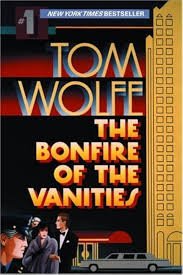
The Bonfire of the Vanities
Tom Wolfe
Score: 8.5/10
Why it’s good:
A brilliant satirical novel about ambition, ego, status, and downfall in the world of finance. Wolfe captures the psychological fragility behind wealth and reputation, delivering sharp social commentary with literary force.
Limitations:
A fictionalized, 1980s New York setting far removed from today’s markets, technology, and trading pressures. More cultural than financial.
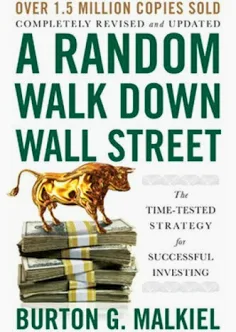
A Random Walk Down Wall Street
Burton G. Malkiel
Score: 8/10
Why it’s good:
A cornerstone explanation of efficient markets, indexing, and long-term investing. Clear, structured, and educational, it remains a foundational introduction to modern portfolio theory.
Limitations:
Dry and academic for many readers. Focuses on long-term investing, offering little insight for traders, quants, or anyone dealing with high-speed or narrative-driven markets.
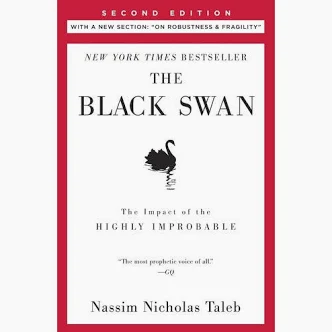
The Black Swan
Nassim Nicholas Taleb
Score: 9/10
Why it’s good:
A groundbreaking exploration of extreme events and why humans consistently fail to predict them. Taleb presents a powerful framework for thinking about uncertainty, fragility, and rare risks.
Limitations:
Philosophical and demanding. Less focused than his earlier work and not directly about trading or market strategy.
You'll also love
Lorem ipsum dolor sit amet, consectetur adipiscing elit. Ut elit tellus, luctus nec ullamcorper mattis, pulvinar dapibus leo.
Lines from poems
Victor Hansen
Lorem ipsum dolor sit amet, consectetur adipiscing elit. Ut elit tellus, luctus nec ullamcorper mattis leo…
Consider the visual
Victor Hansen
Lorem ipsum dolor sit amet, consectetur adipiscing elit. Ut elit tellus, luctus nec ullamcorper mattis leo…
Essence of the book
Victor Hansen
Lorem ipsum dolor sit amet, consectetur adipiscing elit. Ut elit tellus, luctus nec ullamcorper mattis leo…